Water treatment
Clear water is a result. Balance is the work.
Testing, correction, and a follow-up routine for pools that are cloudy, green, or simply unpredictable.
What we test
A reading is useful only when it explains the pool.
Free chlorine, pH, alkalinity, stabiliser, and the state of the filter all interact. Adding more chlorine without checking the rest can make the problem more expensive to fix.
- Free and total chlorine
- pH and total alkalinity
- Cyanuric acid / stabiliser
- Filter pressure and circulation
- Visible algae and debris load
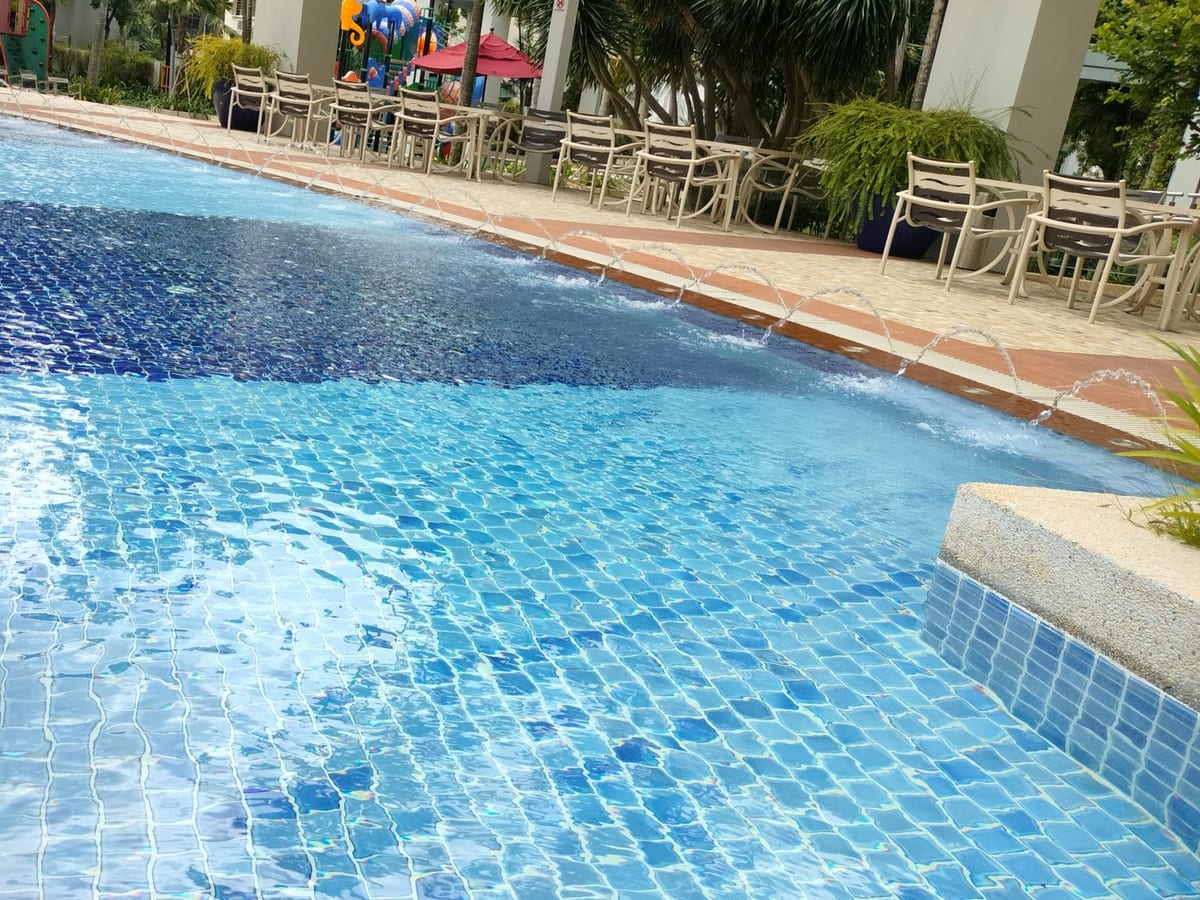
Example service page. Add your own test method, chemical policy, and follow-up terms.
Recovery versus routine
A green pool needs a different scope.
01
Assess
Test the water, inspect the filter, and check for a physical cause before treating.
02
Recover
Treat in stages, clean the filter as the water clears, and avoid adding more than the pool can circulate.
03
Prevent
Agree a routine that keeps the water stable, with a follow-up visit after recovery.
Good questions
Before you ask us to look at the pool.
If something is not covered here, ask directly. We would rather answer a straight question than sell a vague plan.
How often should my pool be serviced?
It depends on use, tree cover, water temperature, and equipment. A lightly used private pool can often run on two visits a month; a rental or hotel pool may need several visits a week. We recommend a frequency after seeing the pool, not before.
Do you publish fixed prices?
Published plans cover routine scope only. Chemicals, parts, repairs, and access issues are quoted separately. The estimator on this demo shows a range; it is not a binding quotation.
My pool is green. Is that a one-off visit?
Usually not. A recovery may take several visits, and the cause needs to be corrected so it does not return. We quote a recovery separately from routine maintenance.
Do you handle commercial pools and hotels?
Yes, subject to local regulations and the property’s operating requirements. Commercial work includes documented routines, coordination with facilities teams, and priority response.
What do you need for a useful quote?
Pool type and approximate size, location, current equipment, how often it is used, and what is not working. A photo or short video helps. If the pool is unusual, we may ask for a site visit before quoting.